
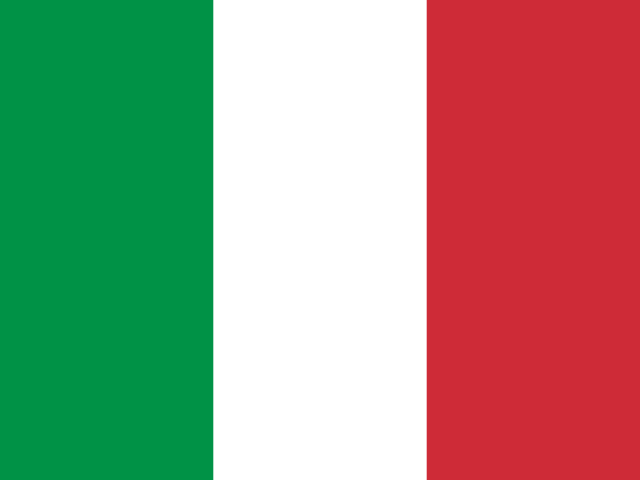
Are you compatible with Italy?
A tax-funded welfare state with deep regional traditions and a visible Catholic heritage. Daily life centres on family, food and the town square, under a largely warm, sunny climate.

What makes Italy stand out
49 of 59
Social style: Italy is more expressive than most countries in the quiz.
Conversation is lively and expressive, with gestures and warmth part of everyday life.
38 of 59
Work: Italy is more relaxed about work than more than half the countries in the quiz.
Many prize a balance between work and long meals, though some sectors work long hours.
37 of 59
Economy: Italy is more state-led than more than half the countries in the quiz.
A universal national health service and public pensions sit alongside many small family businesses.
Italy on all 12 axes
0 is the left pole and 100 the right. Each position is an editorial estimate of typical policy and everyday norms, with the reason underneath.
Values
A universal national health service and public pensions sit alongside many small family businesses.
Personal freedoms are broad, with rules often applied flexibly in daily life.
Regional customs, food traditions and heritage are cherished, and change tends to be gradual.
Catholic culture is visible in holidays, symbols and public debate, alongside a secular state.
Open to Europe and tourism, with a strong attachment to local and national identity.
Environmental awareness is growing, balanced against industry and tourism.
Lifestyle
Warm, sunny summers and mild winters in much of the country, colder in the Alpine north.
Large cities exist, but life often centres on medium-sized towns and their piazzas.
Costs are high in Milan and Rome, and more moderate in the south and smaller towns.
Many prize a balance between work and long meals, though some sectors work long hours.
Conversation is lively and expressive, with gestures and warmth part of everyday life.
Family is central, and many adults live close to their parents.
Who tends to match Italy
You are likely to score high with Italy if you lean toward:
- close family and communityFamily ties
- an expressive social styleSocial style
- warm weatherClimate
You might enjoy
- evening strolls through the piazza
- family sunday lunches
- local food markets
Countries most like Italy
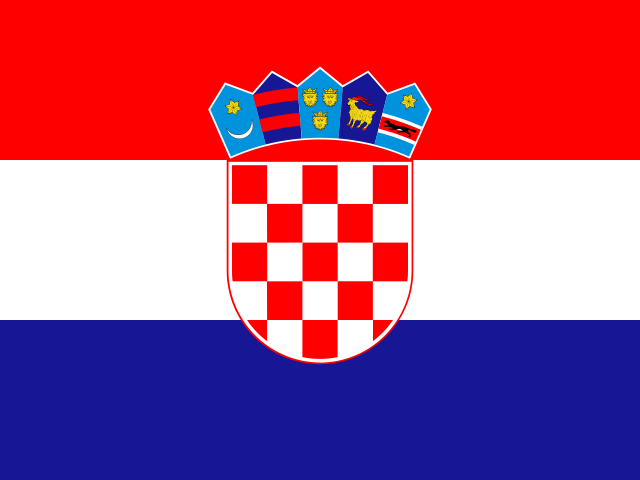
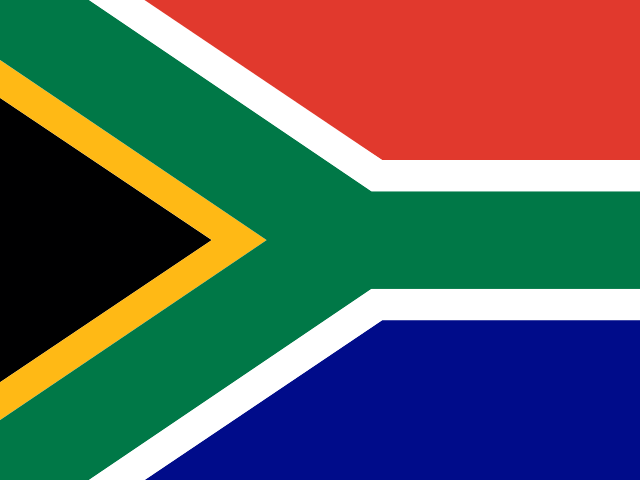
Least like Italy
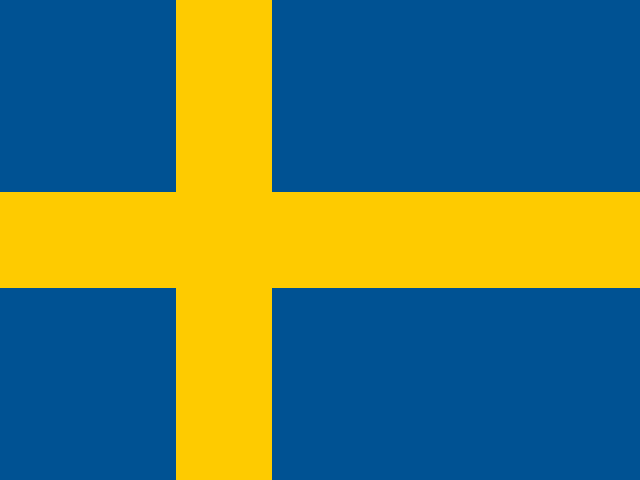
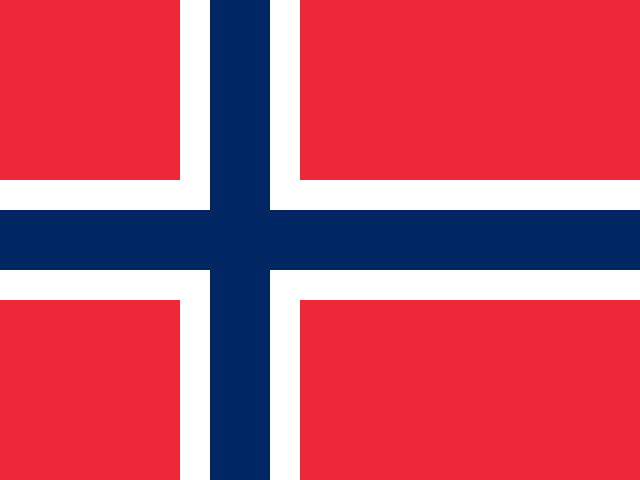

Similarity uses the quiz’s match formula with all 12 axes counted equally.
Take the quiz: how close are you to Italy?
Find your most compatible country
Statements on your values and how you like to live. Rate each from strongly disagree to strongly agree.
24 statements, about 3 minutes, no sign-up
Browse all 60 country profiles
Canada
83% match
- 2
 Ireland81%
 - 3
 United Kingdom79%
 - 4
 Belgium78%
For fun and reflection; not immigration, legal or financial advice.
Italy: questions
Am I compatible with Italy?
Take the 24-statement quiz to get your match % with Italy and 59 other countries. People who match Italy closely tend to lean toward close family and community, an expressive social style and warm weather.
Which countries are most like Italy?
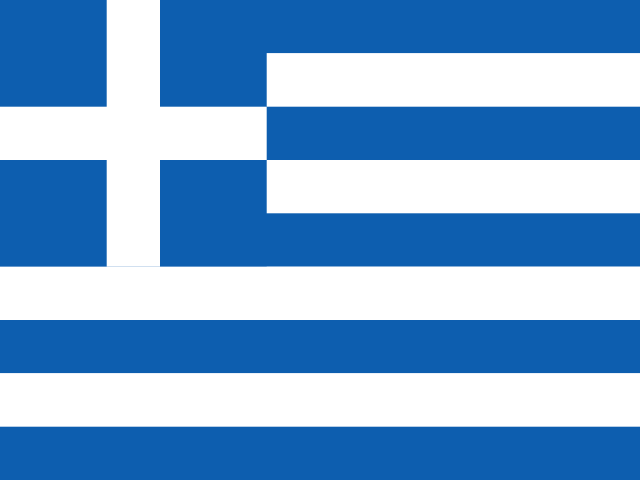
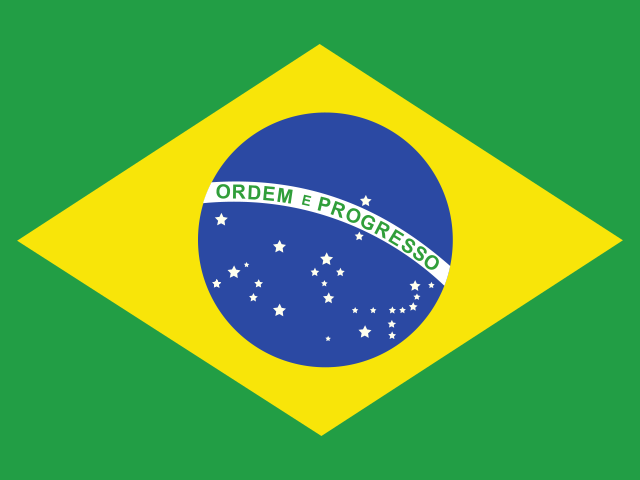
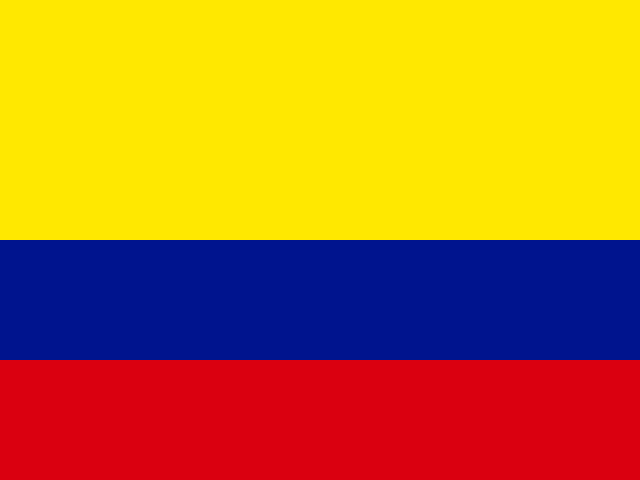
On the quiz's 12 axes, the closest profiles are Greece (91%), Brazil (88%) and Colombia (88%). The least similar is Sweden (59%).
What makes Italy stand out?
Its most distinctive axis is social style: Italy is more expressive than 49 of the other 59 countries in the quiz. Conversation is lively and expressive, with gestures and warmth part of everyday life.
How was the Italy profile made?
It is an editorial estimate of typical public policy and everyday social norms on 12 axes, six on values and six on lifestyle, each scored 0 to 100. It describes the country as a whole, not its government, any party or any person who lives there.